 By Dr. Naveena R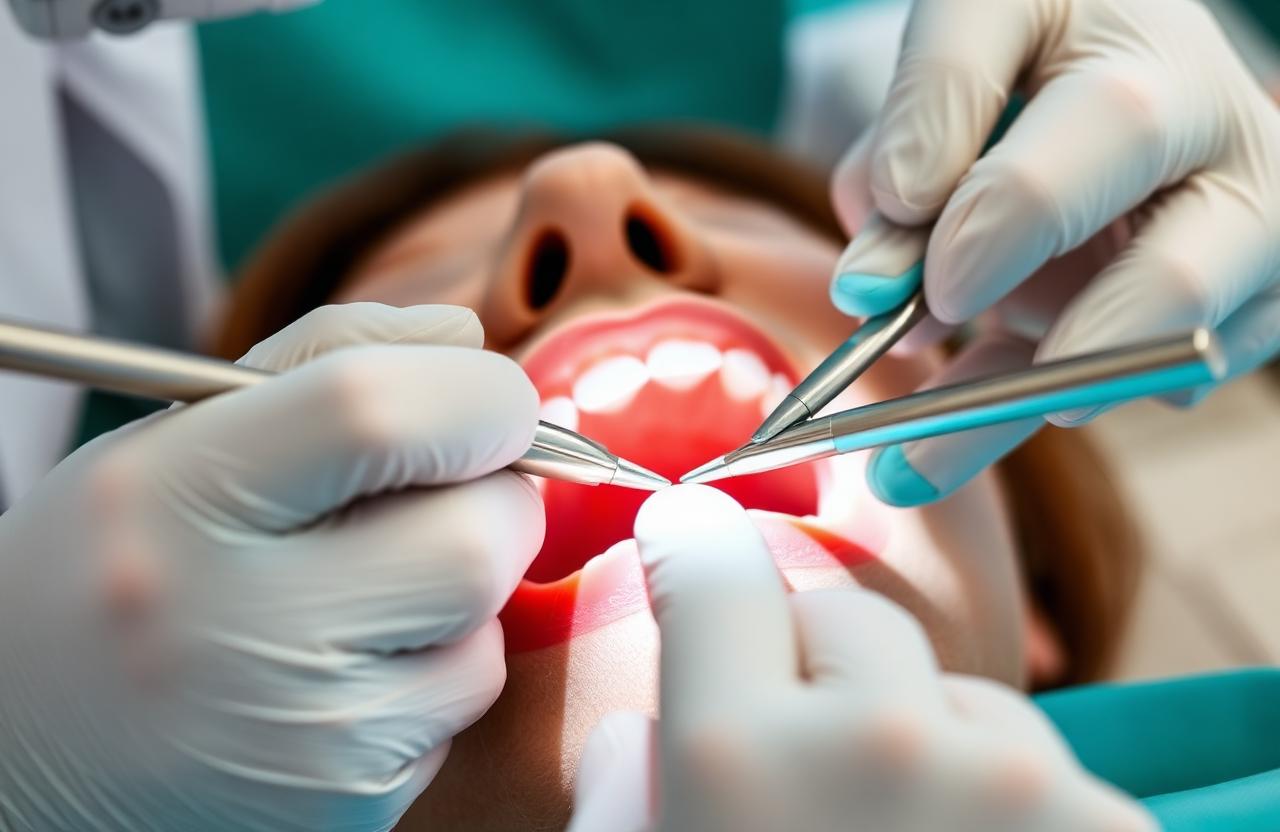
Few dental procedures carry as much unwarranted fear as the root canal. Decades of outdated stories, exaggerated film scenes and second-hand horror tales have built a reputation that simply does not match modern reality. Today, a root canal is a routine, comfortable treatment that quietly saves millions of natural teeth every year. Let us separate fact from fiction.
A root canal — properly called endodontic treatment — becomes necessary when the soft tissue inside a tooth, the pulp, becomes inflamed or infected. This can happen because of deep decay, a crack, repeated dental work on the same tooth, or trauma. The pulp contains nerves and blood vessels, which is why an infected tooth can be so painful. The treatment removes the damaged pulp, disinfects the inside of the tooth, and seals it so the tooth can stay in place and keep functioning for years to come.
Myth 1: Root Canals Are Excruciatingly Painful
This is the single biggest misconception, and it is largely a relic of the past. The myth dates from an era before effective local anaesthesia and modern instruments. Today, the experience of having a root canal is comparable to having a routine filling placed. With profound local anaesthesia, the area is fully numb throughout the procedure.
It is important to understand the source of the pain people associate with root canals. The pain comes from the infection itself — the throbbing, the sensitivity to heat, the ache that keeps you awake at night. The root canal is what relieves that pain. In other words, the procedure is the cure, not the cause. Most patients report feeling significantly better within a day or two of treatment.
Myth 2: It Is Better To Just Pull The Tooth
Extraction can seem like the simpler, cheaper option, but in almost every case saving your natural tooth is the better long-term choice. Nothing artificial functions quite like your own tooth. Natural teeth preserve the bite, maintain the alignment of neighbouring teeth, and protect the jawbone, which begins to shrink once a tooth is lost.
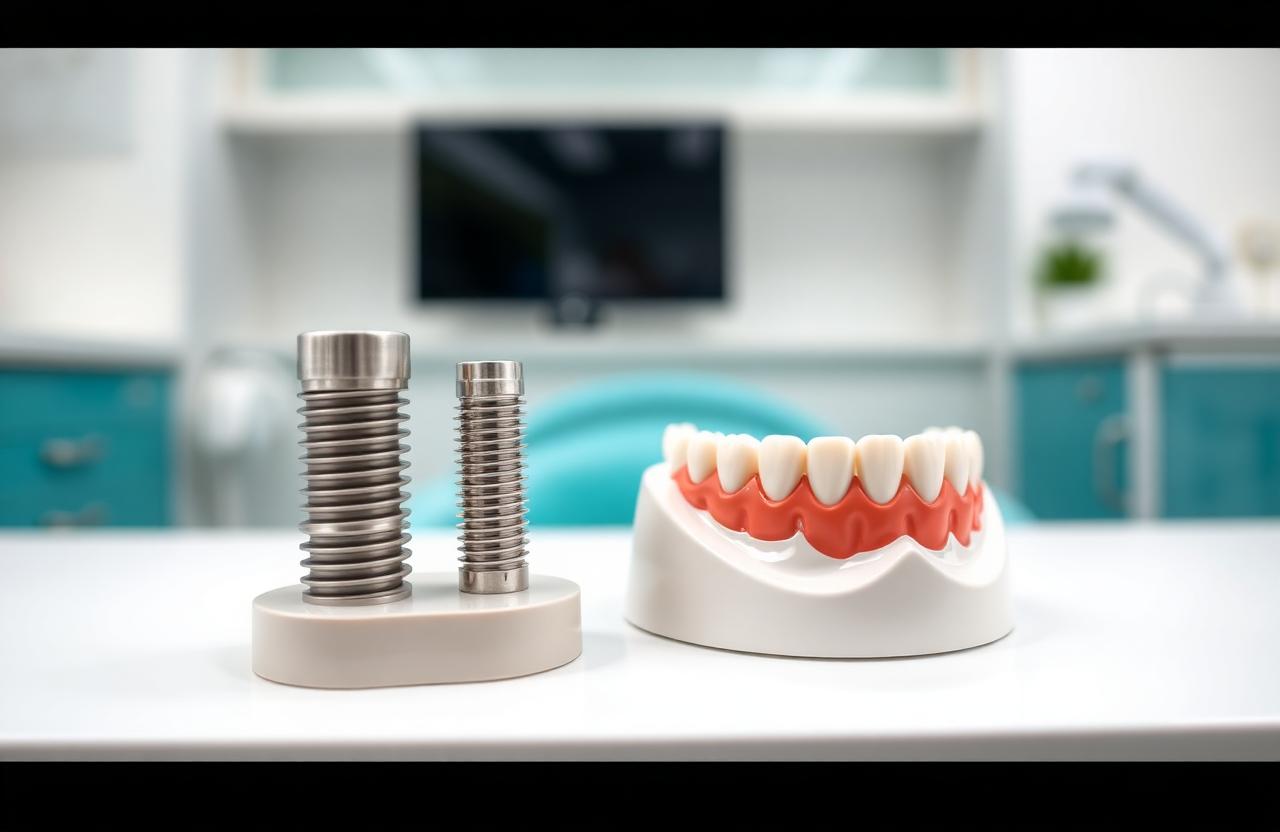
When a tooth is extracted and not replaced, the teeth on either side can drift, the opposing tooth can over-erupt, and chewing efficiency drops. Replacing a missing tooth with an implant or bridge later is often more involved and more expensive than the root canal would have been. Keeping the natural tooth, where possible, is usually the most economical and biologically sound path.
Myth 3: Root Canals Cause Illness Elsewhere In The Body
This claim originates from poorly designed research carried out roughly a century ago, work that has since been thoroughly debunked. There is no valid, modern scientific evidence linking a properly performed root canal to disease in other parts of the body. On the contrary, a root canal removes a pocket of infection that, left untreated, could spread and cause genuine harm. Removing infection improves your health; it does not endanger it.
Myth 4: Recovery Takes Weeks
Most people return to their normal routine the very next day. It is common to feel some mild tenderness around the treated tooth for a few days, particularly when biting, and this typically responds well to over-the-counter pain relief. Serious complications are rare. Following simple aftercare advice — chewing on the other side until any final restoration is placed, and keeping the area clean — helps recovery go smoothly.
Myth 5: A Crown Afterwards Is Just An Upsell
A tooth that has had a root canal can become more brittle over time because it no longer has its internal blood supply. Back teeth in particular endure heavy chewing forces. A well-fitted crown protects the treated tooth from fracture and restores full strength and function. It is an important final step that protects the investment you have already made, not an unnecessary add-on.
What To Expect During The Procedure
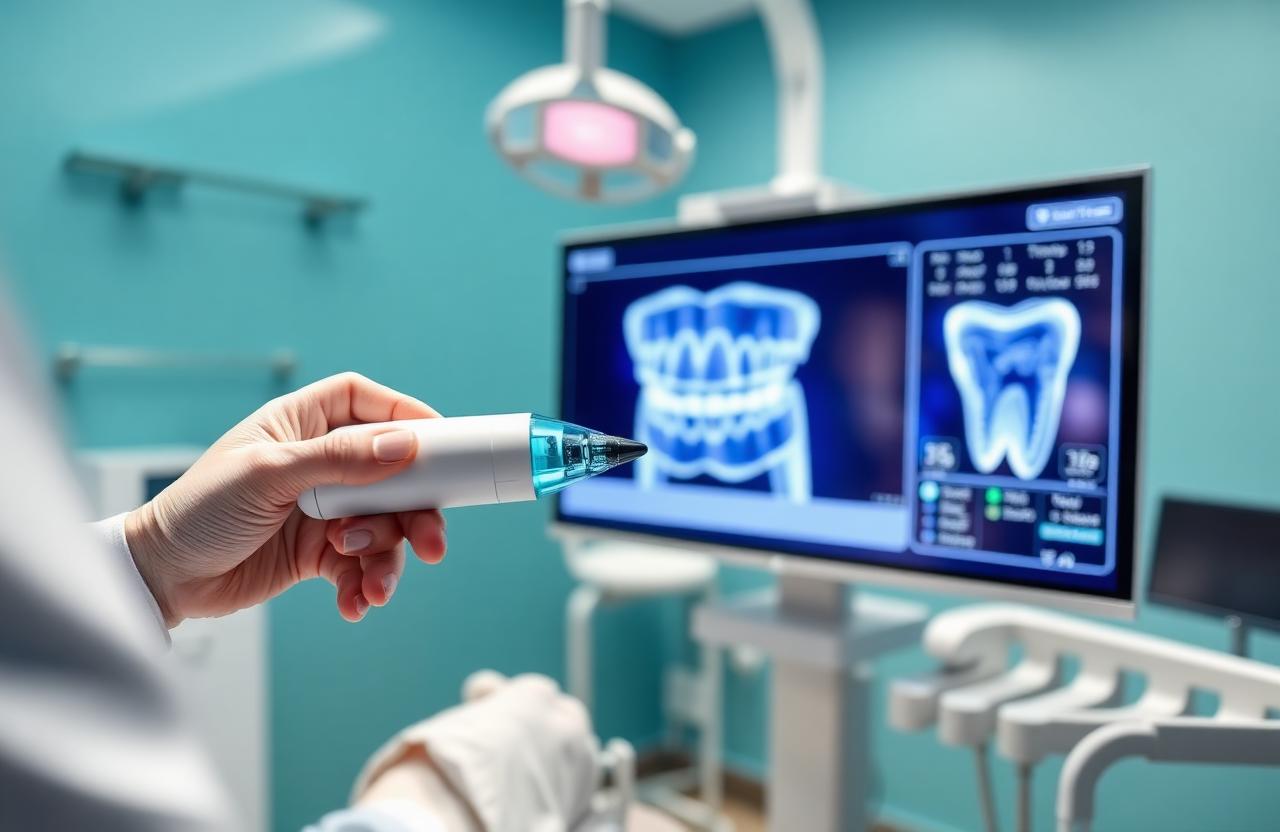
Understanding the steps removes much of the anxiety. After numbing the area, a small opening is made in the tooth. Using fine instruments, the infected pulp is gently removed and the canals are shaped and disinfected. The space is then filled with a biocompatible material and sealed. Depending on the case, this may be completed in one visit or two. Digital imaging allows precise assessment at every stage, so nothing is left to guesswork.
How To Avoid Needing One In The First Place
Prevention is always preferable. Brushing twice daily with fluoride toothpaste, cleaning between teeth, limiting sugary snacks and attending regular check-ups all dramatically reduce the chance of decay reaching the pulp. Treating small cavities early — while they are still small — is the most reliable way to keep root canals off your future agenda. Wearing a mouthguard during contact sport protects against the trauma that can also damage a tooth’s nerve. You can read more in our preventive dentistry guide.
Key Takeaways
- Modern root canals are essentially painless thanks to effective anaesthesia.
- The procedure relieves infection-related pain rather than causing it.
- Saving a natural tooth almost always beats extraction for long-term health and cost.
- Root canals do not cause illness elsewhere — they remove harmful infection.
- A crown afterwards protects the tooth and restores full strength.
- Good daily care and early treatment of small cavities prevent most root canals.