 By Dr. Naveena R
A child’s first trip to the dentist sets the tone for a lifetime of healthy habits and a positive relationship with dental care. Done well, it is calm, even fun. This guide explains when to come, how to prepare, and what actually happens — so both you and your little one feel completely at ease.
When Should The First Visit Happen?
The general guidance is to bring your child for their first dental visit by their first birthday, or within six months of their first tooth appearing — whichever comes first. It may feel early, but these visits are about prevention and familiarity rather than treatment. Starting young helps your child grow up viewing the dentist as a normal, friendly part of life rather than something to fear.
How To Prepare Your Child At Home
Children take their emotional cues from their parents, so the most powerful thing you can do is stay relaxed and positive. Talk about the visit in cheerful, simple language. Avoid words like “pain”, “needle” or “hurt”, even to reassure — they can introduce worries that were not there before. Instead, describe the dentist as someone who helps keep teeth strong and counts their teeth.
Reading picture books about visiting the dentist, or playing a gentle pretend game where you count each other’s teeth, can work wonders. Schedule the appointment for a time of day when your child is usually rested and cooperative, rather than tired or hungry.
What Happens During The First Appointment
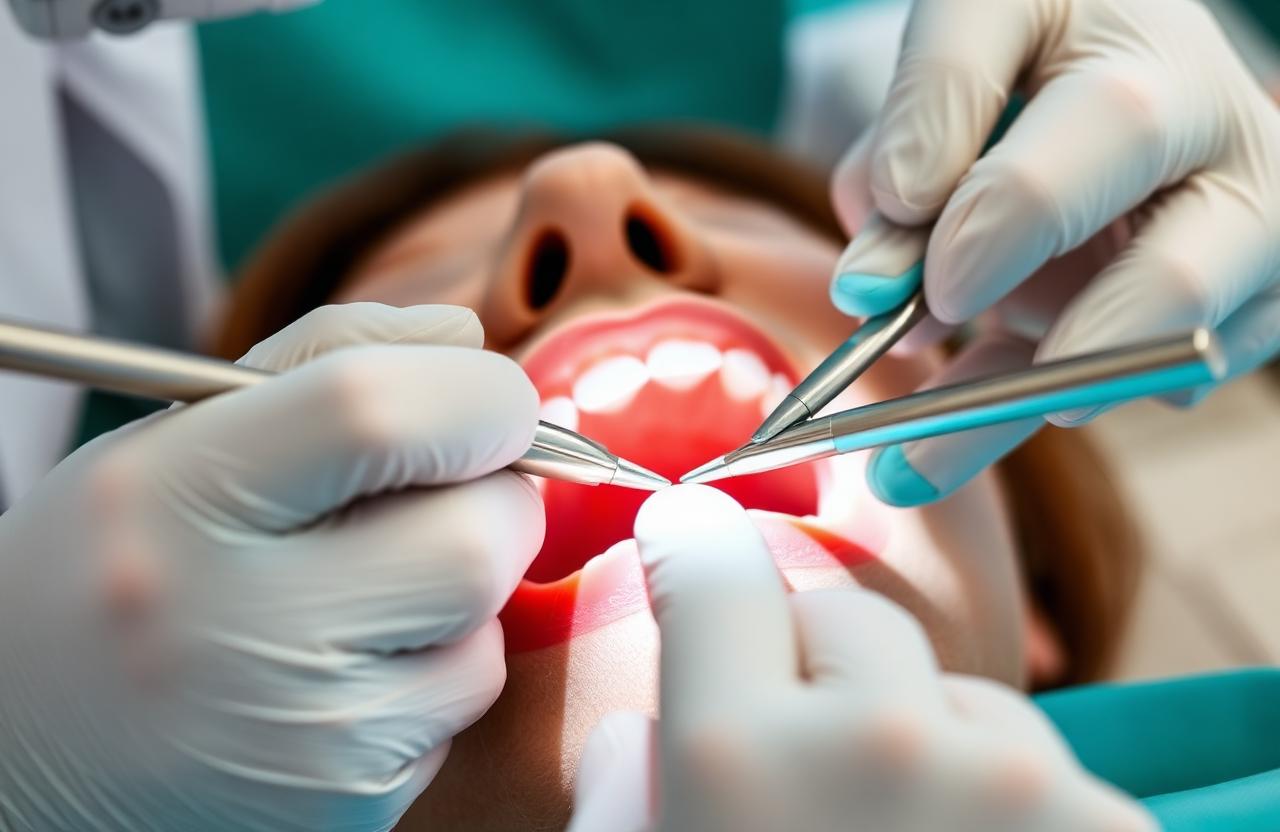
The first visit is deliberately short and friendly. Dr. Naveena will gently examine your child’s teeth, gums and bite, checking that everything is developing normally and looking for any early signs of decay. For very young children, the examination may be done with the child sitting on a parent’s lap to help them feel secure.
Just as importantly, the visit is a chance for parents to ask questions and get tailored advice — on brushing technique, diet, thumb-sucking, teething, and fluoride. You will leave knowing exactly how to care for your child’s teeth at home.
Building Good Habits Early
Healthy teeth start at home. Begin cleaning your baby’s gums with a soft, damp cloth even before teeth appear. Once the first tooth arrives, brush twice a day with a smear of fluoride toothpaste and a small soft brush. As more teeth come in, make brushing a consistent, enjoyable part of the morning and bedtime routine. Children usually need help with brushing until around the age of seven.
Diet And Dental Health For Little Ones
What children eat and drink matters enormously. Frequent sugary snacks and drinks are the main cause of childhood tooth decay. Try to keep sweets to mealtimes rather than grazing throughout the day, offer water rather than juice or fizzy drinks between meals, and never put a baby to bed with a bottle of anything other than water. Cheese, vegetables and plain water are tooth-friendly choices.
Making Future Visits Positive
Regular check-ups, usually every six months, keep small issues small and keep your child comfortable with the routine. Praise your child afterwards, focus on the positives, and avoid using the dentist as a threat for not brushing. The more matter-of-fact and upbeat dental visits are, the more your child will take them in their stride for years to come. You can find more family resources in our oral health library.
Key Takeaways
- Bring your child by their first birthday or within six months of the first tooth.
- Early visits focus on prevention and building trust, not treatment.
- Stay positive and avoid scary words — children mirror your emotions.
- Start cleaning gums early and brush twice daily with fluoride toothpaste.
- Limit sugary snacks and drinks, and never put a baby to bed with a sweet bottle.
- Regular six-monthly check-ups keep visits routine and stress-free.