 By Dr. Naveena R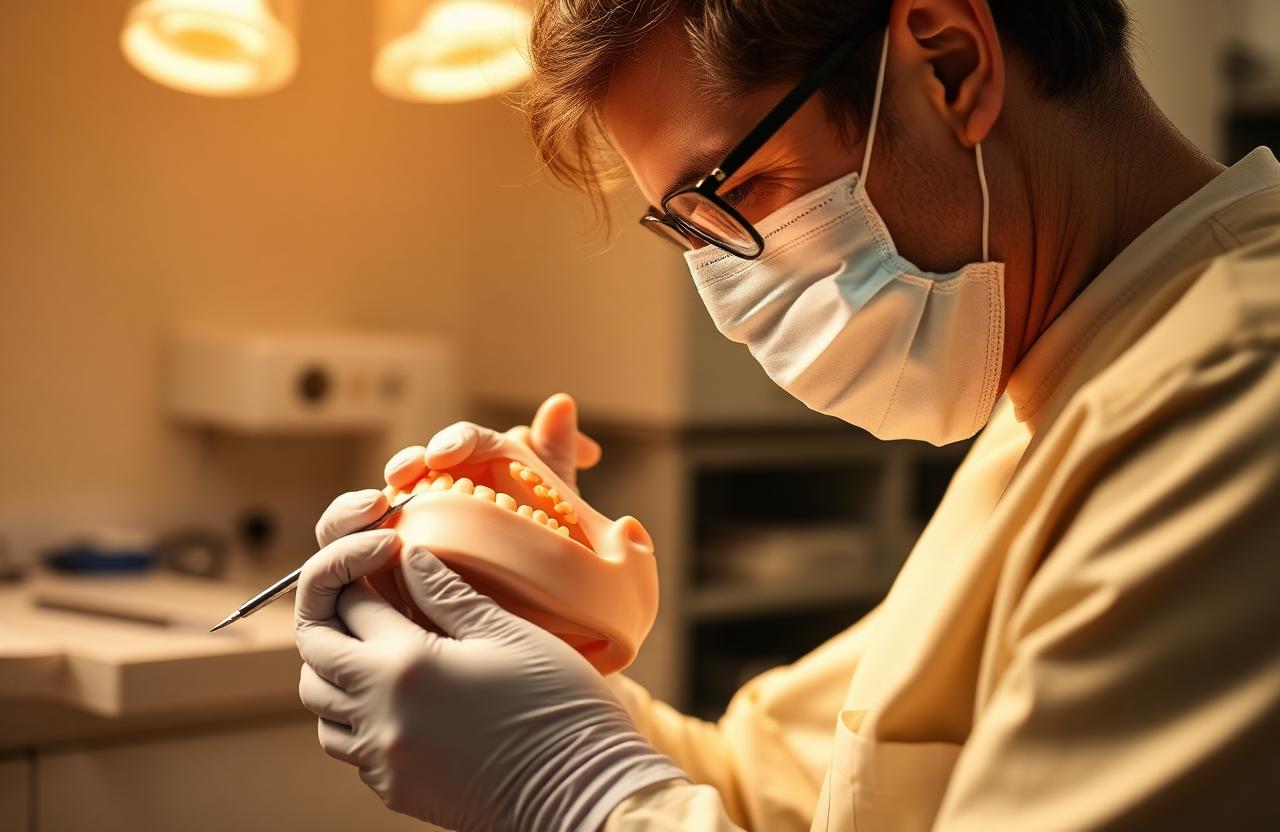
For people who have lost part of their face or oral structures to cancer surgery, trauma or a congenital condition, a maxillofacial prosthesis can be genuinely life-changing. It restores not only appearance but the ability to eat, speak and face the world with confidence. This is one of the most specialised and rewarding fields in dentistry.
Maxillofacial prosthetics sits at the meeting point of dentistry, surgery and art. A prosthesis is a custom-made device that replaces a missing part of the mouth or face — an eye, an ear, a nose, part of the palate, or a section of the jaw. Each one is individually designed and crafted to match the patient’s remaining anatomy, skin tone and features as closely as possible.
Who Benefits From A Maxillofacial Prosthesis?
The most common reasons people need this care include surgical removal of tumours in the head and neck region, accidents that cause facial injury, and congenital differences present from birth, such as a cleft palate. After cancer surgery in particular, patients may be left with an opening between the mouth and nasal cavity, difficulty swallowing, or changes to speech. A carefully made prosthesis can close these gaps and restore everyday function.
Types Of Maxillofacial Prostheses
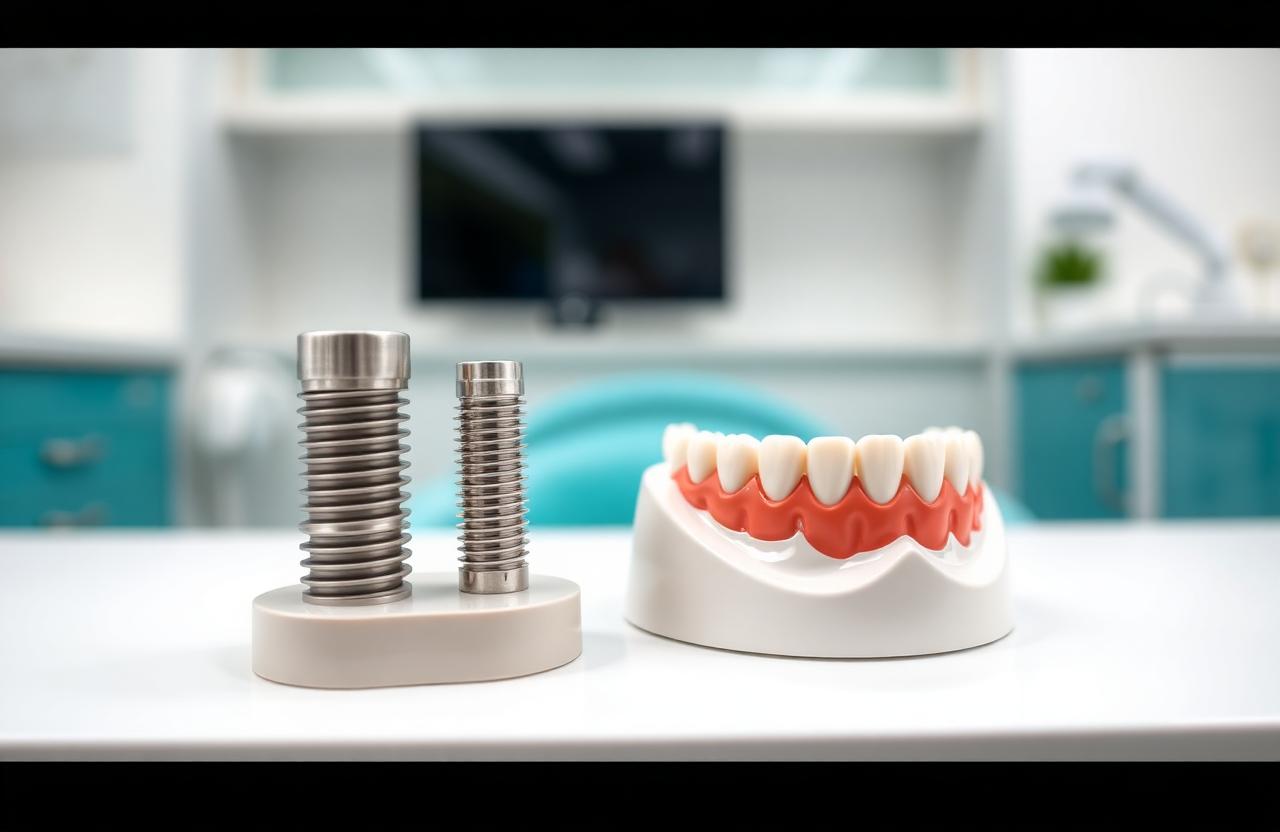
There are two broad categories. Intra-oral prostheses sit inside the mouth and include obturators, which seal defects in the palate, and devices that restore parts of the jaw or replace teeth in complex cases. Extra-oral prostheses replace features on the surface of the face, such as an ear, nose or orbital (eye) prosthesis. Many are held in place with medical-grade adhesives, while others are secured using small implants for a stable, reliable fit.
The Journey: From Consultation To Confidence
The process is collaborative and unhurried. It begins with a detailed consultation to understand the patient’s medical history, their goals and their concerns. Precise impressions or digital scans are taken of the affected area. From these, a working model is created, and the prosthesis is sculpted and refined — layer by layer — to match colour, texture and contour.
Several fitting appointments follow to perfect the shade, the edges and the comfort. Because this work is so personal, communication matters as much as technical skill. Patients are involved at every stage, and small adjustments are made until the result looks and feels right. The aim is always a prosthesis that blends naturally and restores not just a feature, but a sense of self.
Living With A Prosthesis
Modern materials — particularly medical-grade silicones — are remarkably lifelike, flexible and durable. With good care, an extra-oral prosthesis can last several years before it needs renewing, though colour can fade gradually with sun exposure. Daily cleaning is simple and quickly becomes routine. Patients are shown exactly how to place, remove and care for their device so they feel fully in control.
Why The Emotional Outcome Matters As Much As The Physical One
It is impossible to overstate how much facial difference affects confidence, relationships and quality of life. People often describe being able to smile in photographs again, to eat in a restaurant without self-consciousness, or simply to look in the mirror and recognise themselves. Restoring function is essential — but restoring dignity is just as important. This is why the field is so deeply rewarding for both patient and clinician.
The Role Of Technology
Digital scanning, 3D design and precise fabrication have transformed what is possible. Defects can be mapped accurately, prostheses planned virtually, and components produced with a fit that older techniques could not achieve. When combined with implants for retention, the result is more secure and more comfortable than ever before. Learn more about the tools we use on our technology page.
Key Takeaways
- A maxillofacial prosthesis restores facial features lost to surgery, trauma or birth conditions.
- It restores function — eating, speaking, swallowing — as well as appearance.
- Prostheses can be intra-oral (inside the mouth) or extra-oral (on the face).
- The process is collaborative, with several fittings to perfect colour and comfort.
- Modern silicones and implant retention give lifelike, secure results.
- The emotional benefit — restored confidence and dignity — is profound.