 By Dr. Naveena R
Your fifties and beyond can be some of the most rewarding years of life — and there is no reason your smile should not keep pace. With a little extra attention, healthy teeth and gums are entirely achievable at any age. Here is what changes as we get older, and how to keep your smile strong, comfortable and confident.
Ageing does not automatically mean losing teeth. Many of the dental problems associated with later life are preventable or manageable with good habits and regular professional care. Understanding what to watch for is the first step to staying ahead of it.
How The Mouth Changes With Age
Several gradual changes are common after fifty. Tooth enamel wears down over decades of chewing, which can make teeth more sensitive and prone to chipping. Gums may begin to recede, exposing the softer root surfaces, which decay more easily. Years of coffee, tea and other foods can leave teeth looking darker. And many older adults take medications that reduce saliva flow, leading to a dry mouth.
Gum Health: The Foundation Of Everything
Gum disease becomes more common with age and is the leading cause of tooth loss in adults. In its early stage (gingivitis) the gums are red and bleed easily; left unchecked it can progress to periodontitis, which damages the bone supporting the teeth. The good news is that it is largely preventable. Thorough daily cleaning, professional scaling, and regular check-ups keep gums healthy and catch problems while they are still easy to treat.
Dealing With Dry Mouth
If you notice persistent dryness, sip water frequently throughout the day, chew sugar-free gum to stimulate saliva, and limit caffeine and alcohol, which are drying. Your dentist can also recommend saliva substitutes and high-fluoride products to protect vulnerable teeth. Do not ignore dry mouth — addressing it protects your teeth and makes eating and speaking more comfortable.
Replacing Missing Teeth
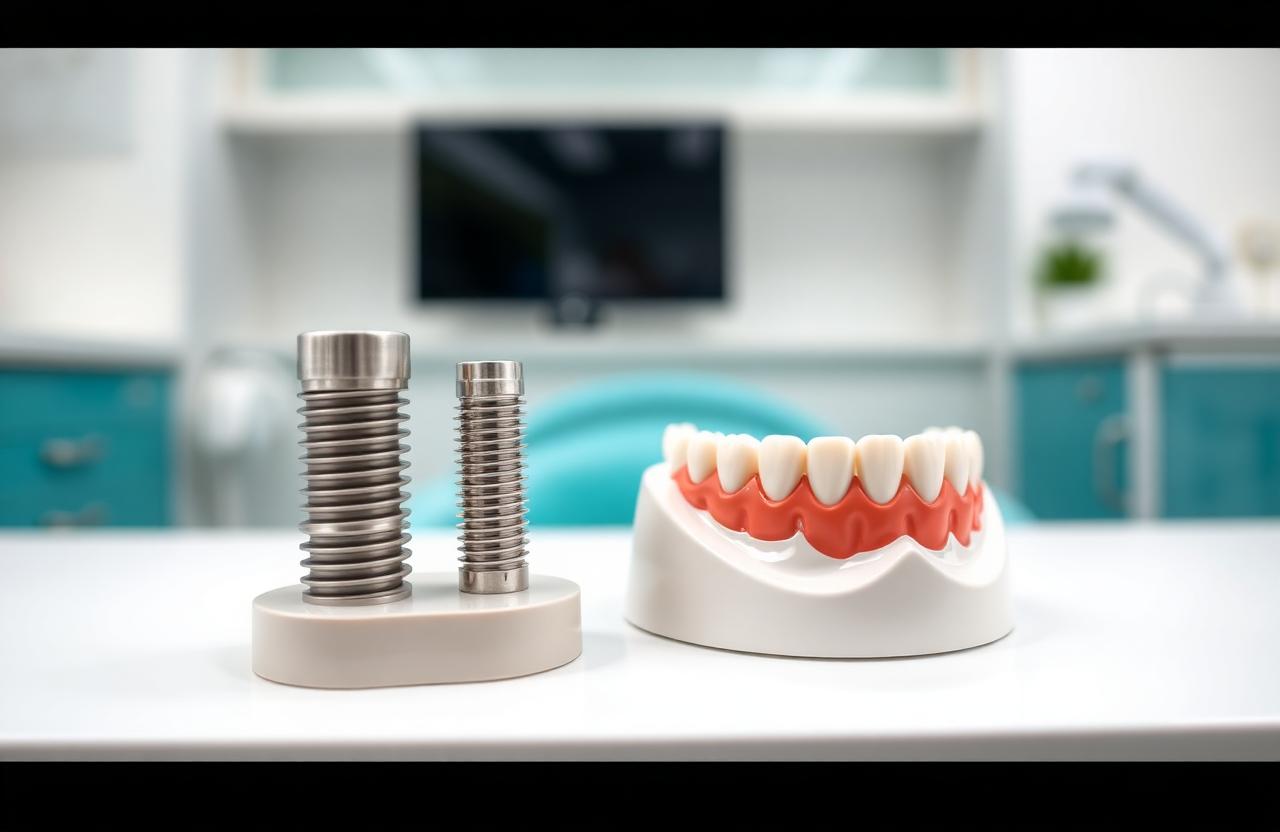
If you have already lost one or more teeth, restoring them does far more than improve appearance. Replacing missing teeth helps you chew a varied, nutritious diet, supports clear speech, maintains the shape of your face, and stops remaining teeth from drifting. Options range from dental implants and bridges to modern, well-fitting dentures — and increasingly, implant-supported solutions that combine stability with comfort. For more complex cases, full mouth rehabilitation can rebuild function and aesthetics comprehensively.
Cosmetic Confidence At Any Age
There is no upper age limit on wanting to feel good about your smile. Professional cleaning and whitening can brighten years of staining, while veneers, crowns and modern restorations can repair chips and wear. Many patients in their fifties, sixties and beyond are delighted by how much a refreshed smile lifts their confidence in social and professional life.
Your Daily Routine, Refined
The fundamentals remain the same but become even more important with age. Brush twice daily with a soft-bristled brush and fluoride toothpaste, taking care around receding gum lines. Clean between your teeth every day — interdental brushes are often easier to handle than floss, especially if dexterity is reduced. Stay hydrated, eat a balanced diet rich in calcium and vitamins, and keep up your six-monthly visits.
Why Regular Visits Matter More Than Ever
Routine check-ups allow problems — decay at the gum line, early gum disease, ill-fitting old restorations, even oral cancer — to be spotted and dealt with early, when treatment is simplest. For many older adults, these visits are also a valuable chance to review medications, comfort and overall oral function. A little consistency goes a long way towards keeping your smile healthy for decades to come.
Key Takeaways
- Tooth loss is not inevitable with age — most problems are preventable.
- Enamel wear, gum recession, staining and dry mouth are common after 50.
- Gum disease is the leading cause of adult tooth loss but is largely preventable.
- Manage dry mouth with hydration, sugar-free gum and dentist-recommended products.
- Replacing missing teeth protects nutrition, speech and facial shape.
- Soft brush, daily interdental cleaning and six-monthly visits keep smiles strong.