 By Dr. Naveena R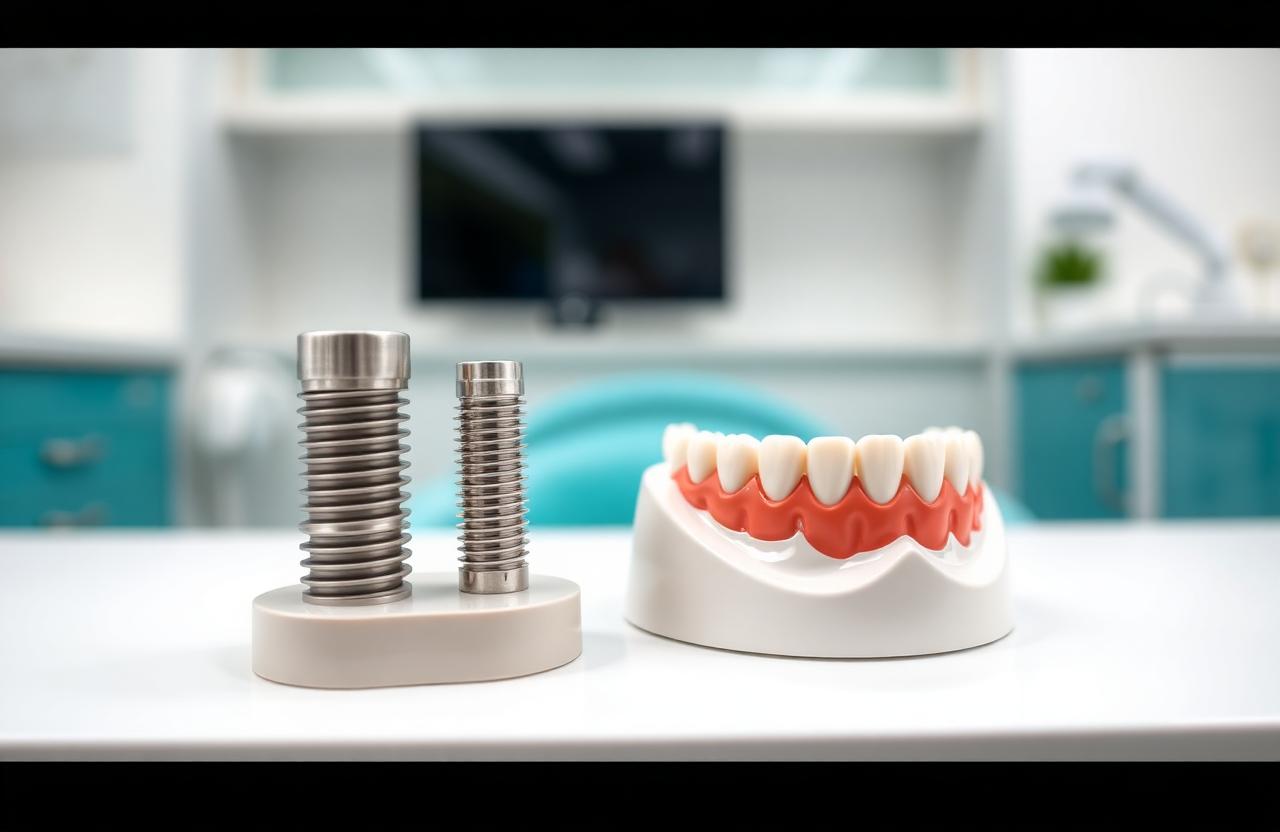
When you lose a tooth, the question quickly becomes: what is the best way to replace it? Two of the most common and reliable options are dental implants and bridges. Both restore your smile and your ability to chew, but they work very differently. Understanding the trade-offs helps you make a confident, informed choice.
A missing tooth is more than a cosmetic concern. Gaps can affect how you chew and speak, allow neighbouring teeth to drift, and over time lead to bone loss in the jaw. Replacing the tooth promptly protects the health and stability of everything around it. The right replacement depends on your bone health, budget, timeline and personal preferences.
What Is A Dental Implant?
A dental implant is a small titanium post that is placed into the jawbone, where it acts as an artificial tooth root. Over a few months it fuses with the bone in a process called osseointegration, creating a remarkably stable foundation. A custom crown is then attached on top. The result looks, feels and functions much like a natural tooth, and it stands alone without relying on the neighbouring teeth.
What Is A Dental Bridge?
A bridge literally bridges the gap left by a missing tooth. The most common type uses the two teeth on either side of the gap as anchors. These teeth are prepared and crowned, and a false tooth (the pontic) is suspended between them. A bridge is fixed in place — you do not remove it — and can be completed in a matter of weeks rather than months.
Comparing The Two: The Key Differences
Longevity. Implants are the longest-lasting option and can serve for decades — often a lifetime — with good care. Bridges typically last around ten to fifteen years before needing replacement.
Effect on neighbouring teeth. This is a crucial distinction. An implant stands independently and does not touch the adjacent teeth. A traditional bridge requires those healthy neighbours to be filed down to hold the crowns — an irreversible step.
Bone health. An implant stimulates the jawbone in the same way a natural root does, helping to prevent the bone shrinkage that follows tooth loss. A bridge sits above the gum and does not provide this stimulation, so some bone loss can continue underneath.
Treatment time. A bridge is faster, usually finished within a few weeks. An implant takes longer overall because the post needs time to fuse with the bone before the crown is fitted.
Cost. A bridge generally has a lower upfront cost. An implant costs more initially but, because it lasts longer and protects bone and neighbouring teeth, it can represent better value over a lifetime.
Which One Is Right For You?
An implant is often the preferred choice when you have healthy jawbone, want the longest-lasting result, and wish to leave the surrounding teeth untouched. A bridge can be an excellent option when you prefer a faster, lower-cost solution, when the neighbouring teeth already need crowns anyway, or when the jawbone is not suitable for an implant without additional procedures.
There is no single right answer for everyone. The best decision balances clinical factors — bone volume, gum health, the condition of adjacent teeth — with practical ones such as time and budget. This is exactly what a personalised consultation is for.
Caring For Your New Tooth
Both options reward good daily habits. Brush twice a day, clean between your teeth (special floss threaders make cleaning under a bridge easy), and keep up regular check-ups so any issues are caught early. Well-maintained implants and bridges both deliver years of comfortable, confident chewing.
Key Takeaways
- Implants replace the tooth root and stand independently of neighbouring teeth.
- Bridges rely on the adjacent teeth, which must be crowned to act as anchors.
- Implants last longest and help preserve jawbone; bridges are faster and lower-cost upfront.
- A traditional bridge requires filing down healthy neighbouring teeth.
- The best choice depends on bone health, budget, timeline and personal preference.
- Both options last longer with good daily cleaning and regular check-ups.