 By Dr. Naveena R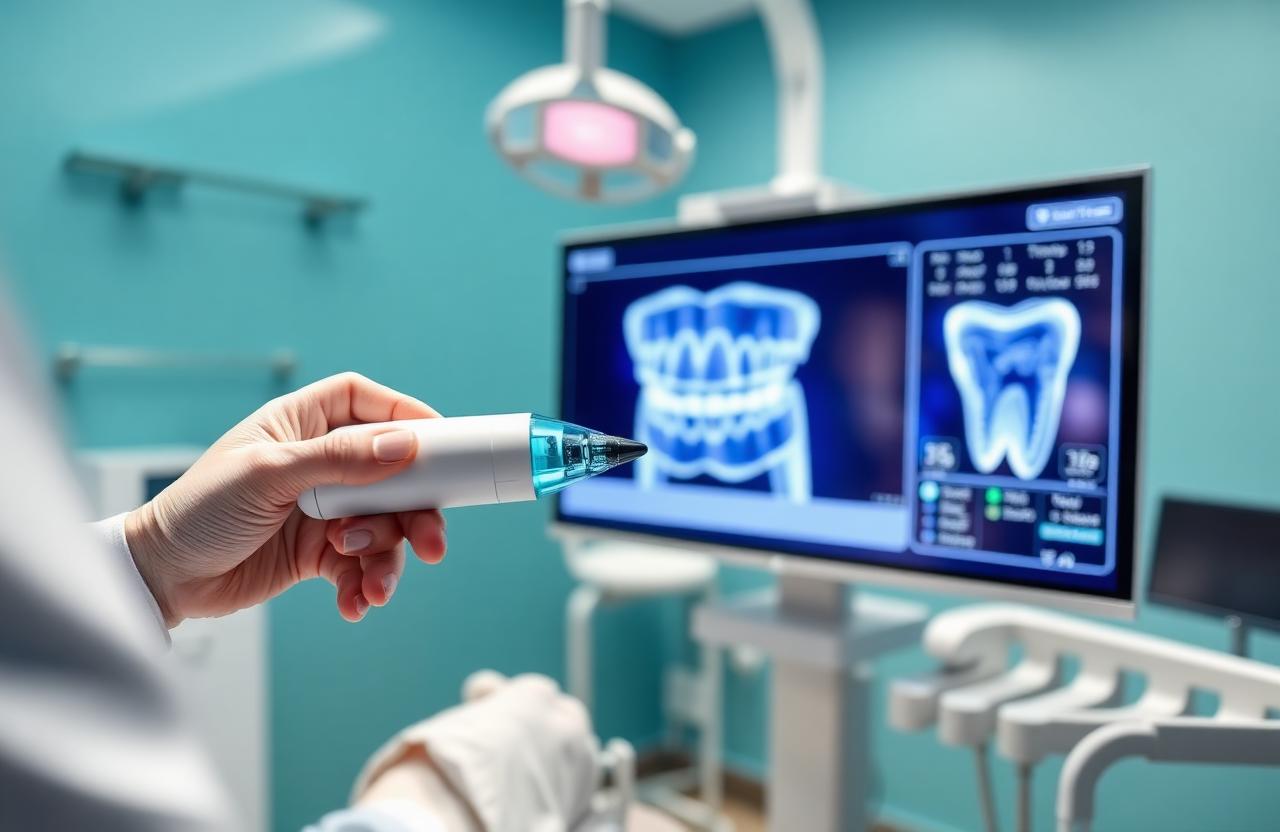
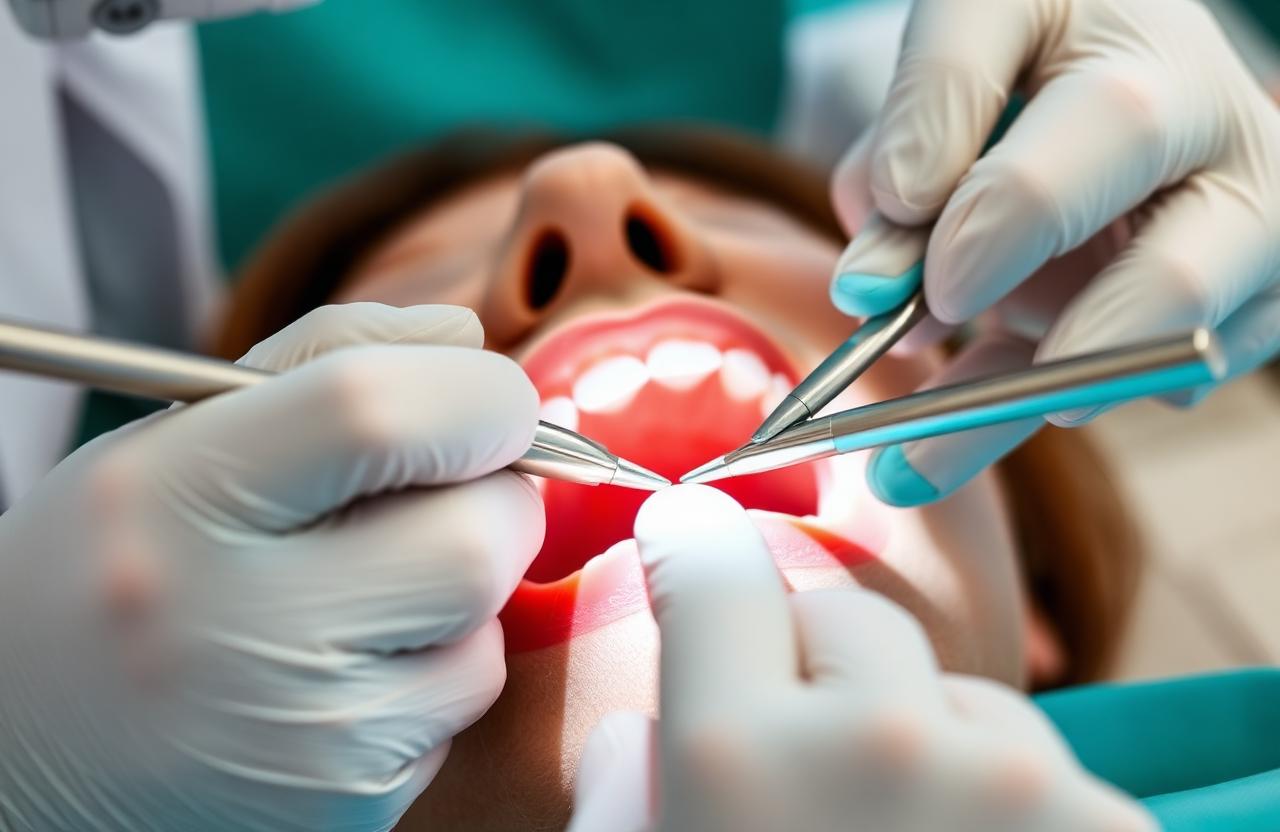
If your last memory of dental impressions involves a tray full of cold, gloopy putty and a strong urge to gag, you are in for a pleasant surprise. Digital 3D scanning has quietly transformed modern dentistry — making it more accurate, more comfortable and considerably faster. Here is how it works and why it matters for you.
What Is Digital 3D Scanning?
A digital intraoral scanner is a small, pen-like wand that the dentist moves gently around your mouth. As it moves, it captures thousands of images per second and stitches them together into a precise, full-colour three-dimensional model of your teeth and gums — displayed live on a screen. There is no putty, no tray and no waiting for material to set. The whole scan usually takes just a few minutes.
Why It Beats Traditional Impressions
Comfort. For many people this is the headline benefit. No bulky trays, no thick material filling the mouth, and no gag reflex to battle. The scanner simply glides over your teeth.
Accuracy. Digital scans capture fine detail with exceptional precision. Traditional impressions can distort slightly as the material sets or is removed, and tiny errors can affect how well a crown or aligner fits. A digital model removes much of that variability, which means restorations fit better the first time.
Speed. The data is available instantly and can be sent straight to the dental laboratory or milling machine electronically — no posting of physical moulds, no delays. This often means fewer appointments and faster results.
No remakes from damaged moulds. A physical impression can tear or a plaster model can break, forcing the whole process to start again. A digital file is saved securely and can be re-sent at any time.
What 3D Scanning Is Used For
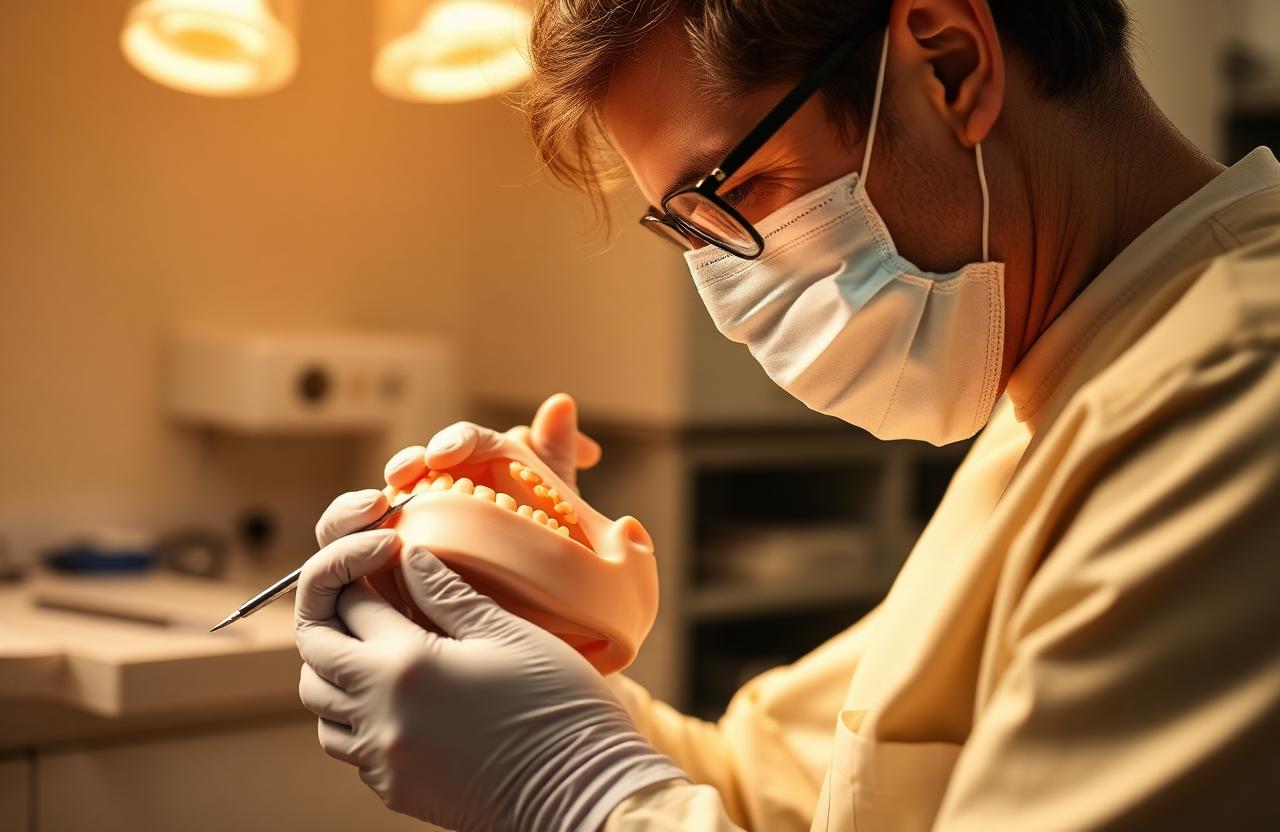
The applications are wide-ranging. Scans are used to design and fabricate crowns, bridges, veneers and inlays with an exact fit. They are essential for planning dental implants, allowing the position and angle to be mapped precisely before any surgery. They are used to create clear aligners for straightening teeth, and to design night guards and other appliances. They also make it easy to track subtle changes — gum recession or tooth wear, for example — by comparing scans taken months apart.
A Better Conversation About Your Care
One of the quieter benefits is communication. Because the 3D model appears on a screen in front of you, your dentist can show you exactly what they see — a worn surface, a cracked filling, the angle of a crowded tooth. Seeing your own mouth in detail makes it far easier to understand why a treatment is recommended and to make decisions with confidence. Care stops being something done to you and becomes something planned with you.
Is It Safe?
Yes. Intraoral scanners use harmless visible light or structured light to capture their images — there is no ionising radiation involved in the scan itself. It is a simple, non-invasive process suitable for adults and children alike, including patients who find traditional impressions difficult to tolerate.
The Bigger Picture: Digital Dentistry
3D scanning is one part of a broader shift towards digital dentistry, where scans, X-rays and planning software work together. The result is treatment that is better planned, more predictable and more tailored to each individual. As the technology continues to improve, the experience for patients keeps getting smoother. Explore the other tools we use on our technology page.
Key Takeaways
- Digital 3D scanning replaces messy putty impressions with a quick, comfortable scan.
- Scans are highly accurate, so crowns, aligners and implants fit better.
- Results are faster because data is sent electronically with no physical moulds.
- Uses include crowns, bridges, veneers, implants, aligners and night guards.
- Seeing your own 3D model helps you understand and plan your care.
- The scan is safe and non-invasive, with no radiation involved.